The demand for Urdu voice-over talent has never been higher. Dramas, cartoons, documentaries, e-learning courses, advertisements, and YouTube channels all need clear, expressive voices. If you have ever been told you have a “good voice,” here is a practical roadmap to turn it into a skill — and eventually an income.
- Step 1: Understand What the Job Really Involves
- Step 2: Train Your Voice
- Step 3: Set Up a Basic Home Studio
- Step 4: Build a Demo Reel
- Step 5: Find Work
- Frequently Asked Questions
- Do I need formal training to become a voice-over artist?
- How much equipment do I need to start?
- How long does it take to get paid work?
- Related Reading
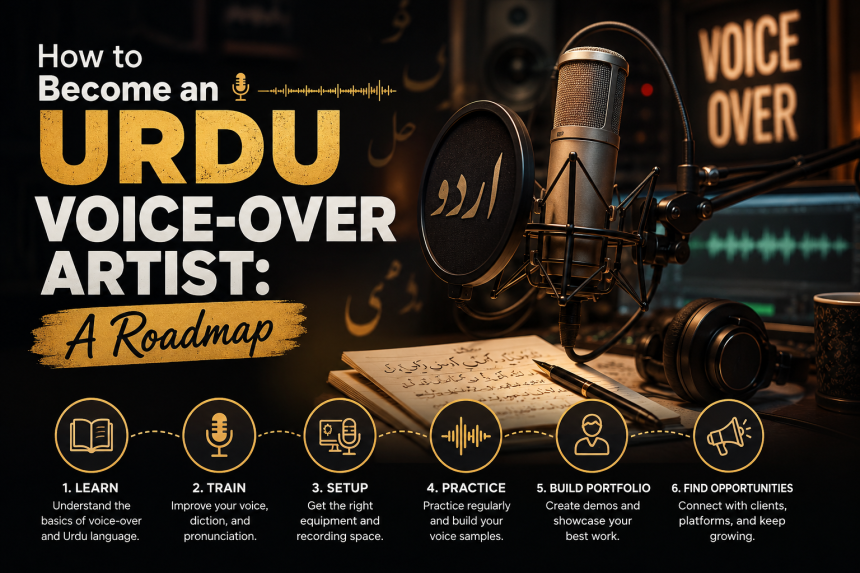
Step 1: Understand What the Job Really Involves
Voice-over is acting with your voice. It is not just reading — it is conveying emotion, pace, and character using tone alone. The first skill to build is clear, confident delivery in Urdu, with correct pronunciation and natural rhythm.
Step 2: Train Your Voice
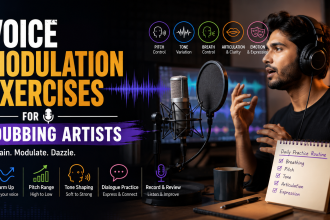
Practice daily: read news scripts, story passages, and ad copy aloud. Record yourself and listen back critically. Work on breath control, clarity, and avoiding a flat, robotic tone. Warm-ups and simple modulation exercises make a big difference over a few weeks.
Step 3: Set Up a Basic Home Studio
You do not need an expensive setup to start. A decent USB microphone, a quiet treated corner, and free recording software are enough to produce clean samples. Soft furnishings, a closet full of clothes, or simple foam panels can tame echo cheaply.
Step 4: Build a Demo Reel
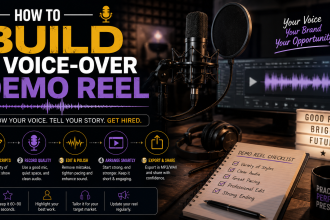
A short, polished demo (60–90 seconds) showcasing different styles — narration, character, commercial — is your calling card. Keep it tight and lead with your strongest clip.
Step 5: Find Work
Start on freelance marketplaces, reach out to dubbing studios, and offer your voice to YouTubers and small businesses. Deliver reliably, and word-of-mouth will follow. Over time you can raise your rates as your portfolio grows.
Frequently Asked Questions
Do I need formal training to become a voice-over artist?
No. Many successful voice actors are self-taught. Consistent practice, honest self-review, and feedback matter more than a formal qualification — though a short course can speed things up.
How much equipment do I need to start?
A good USB microphone, headphones, a quiet space, and free editing software are enough to land your first jobs. Upgrade later as you earn.
How long does it take to get paid work?
With daily practice and a solid demo, many beginners land their first small gigs within a few months.
Related Reading
- Urdu Dubbing Jobs From Home: How to Get Started
- How to Build a Voice-Over Demo Reel
- Best Microphones for Voice-Over Beginners (2026)
- How to Improve Urdu Diction and Pronunciation
Written by the UrduDub editorial team. We cover dubbing, voice-over, and where to watch localized content through official, legal sources. Spotted an error? Contact us — see our Editorial Policy.