Headphones are an essential but often overlooked part of a voice-over setup. For recording, closed-back headphones are the standard choice. Here is why, what to look for, and how to use them well.
- Why Closed-Back for Recording?
- Closed-Back vs Open-Back
- What to Look For
- Why Accuracy Matters
- Using Headphones Well
- The Bottom Line
- Frequently Asked Questions
- Why are closed-back headphones better for recording?
- Can I use open-back headphones for voice over?
- What should I look for in recording headphones?
- Related Reading
Why Closed-Back for Recording?
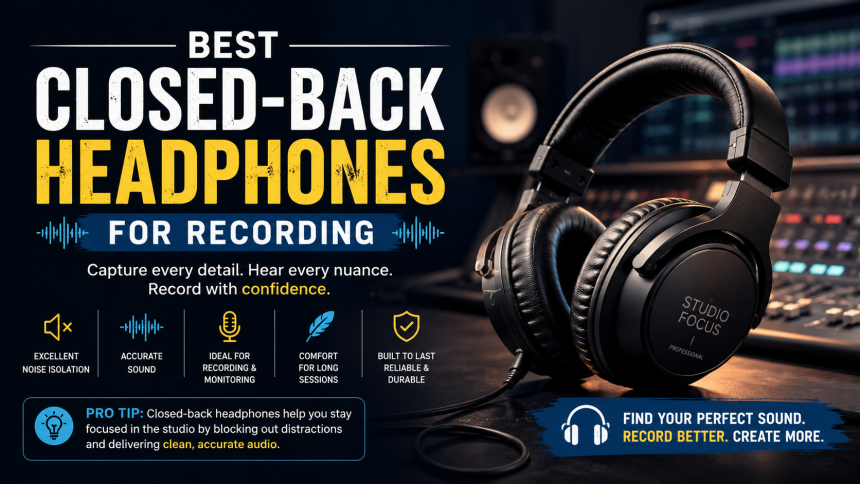
Closed-back headphones seal around your ears, preventing sound from leaking out into your microphone. This isolation keeps your recordings clean — essential when you monitor your voice live while recording.
Closed-Back vs Open-Back
Open-back headphones sound more natural and spacious, making them great for editing and mixing — but they leak sound, so they are unsuitable for recording. Many voice artists keep closed-back for recording and may use open-back for editing.
What to Look For
- Good isolation to prevent sound leakage.
- Comfort for long sessions — soft pads and light weight.
- Accurate, balanced sound so you hear your voice truthfully.
- Durable build for daily use.
Why Accuracy Matters
You want headphones that reveal flaws — pops, noise, sibilance — so you can fix them. Overly “hyped” headphones can hide problems you should hear.
Using Headphones Well
Monitor at a moderate volume to protect your hearing, check for unwanted noise as you record, and listen back critically before delivering your audio.
The Bottom Line
A comfortable, well-isolated, accurate pair of closed-back headphones is a small investment that noticeably improves your recordings and editing.
Frequently Asked Questions
Why are closed-back headphones better for recording?
They seal around your ears and prevent sound from leaking into your microphone, keeping recordings clean while you monitor live.
Can I use open-back headphones for voice over?
Use them for editing and mixing, but not for recording — they leak sound that your mic can pick up.
What should I look for in recording headphones?
Good isolation, comfort for long sessions, accurate balanced sound, and durable build.
Related Reading
- Best Microphones for Voice-Over Beginners (2026)
- Best Audio Interfaces for Voice Over
- Best USB Mics for a Home Dubbing Studio
- How to Soundproof a Recording Room Cheaply
Written by the UrduDub editorial team. We cover dubbing, voice-over, and where to watch localized content through official, legal sources. Spotted an error? Contact us — see our Editorial Policy.