If you move from a USB microphone to a professional XLR mic, you will need an audio interface. It converts your mic’s analog signal into clean digital audio for your computer. Here is what an interface does and how to choose one for voice work.
What Is an Audio Interface?
An audio interface is a device that connects your XLR microphone to your computer, providing a quality preamp, analog-to-digital conversion, and a headphone output for monitoring.
Why Voice Artists Use One
Interfaces deliver cleaner sound, lower noise, and more control than plugging straight into a computer. They also supply phantom power, which condenser microphones require.
What to Look For
Clean preamps
Good, quiet preamps with enough gain are essential, especially for quieter dynamic microphones.
The right number of inputs
For solo voice work, a single XLR input is plenty. Choose more inputs only if you record multiple sources at once.
Low latency and reliable drivers
Low-latency monitoring lets you hear yourself without distracting delay, and stable drivers keep sessions glitch-free.
Do You Need One?
If you use a USB mic, no — the interface is built in. You only need a separate interface when you move to XLR microphones for higher quality and flexibility.
Getting Started
A compact two-input interface with one quality preamp is the sweet spot for most voice artists: affordable, simple, and more than capable.
Frequently Asked Questions
Do I need an audio interface for voice over?
Only if you use an XLR microphone. USB mics have the interface built in, so you can skip it until you upgrade.
What does an audio interface do?
It connects an XLR mic to your computer, providing a clean preamp, analog-to-digital conversion, phantom power, and a headphone output for monitoring.
How many inputs do I need?
For solo voice work, one XLR input is enough. Choose more only if you record several sources at once.
Related Reading
- Best Microphones for Voice-Over Beginners (2026)
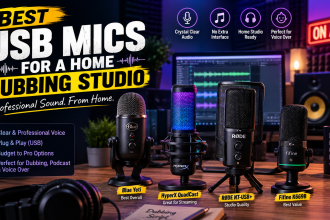
- Best USB Mics for a Home Dubbing Studio
- Best Closed-Back Headphones for Recording
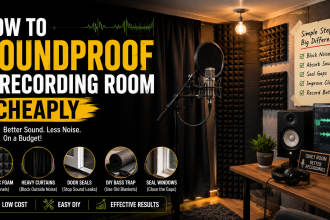
- How to Soundproof a Recording Room Cheaply
Written by the UrduDub editorial team. We cover dubbing, voice-over, and where to watch localized content through official, legal sources. Spotted an error? Contact us — see our Editorial Policy.