Watching films and shows is one of the most enjoyable ways to learn or improve a language — including Urdu. With the right approach, your screen time can become genuine study time. Here is how to do it effectively.
- Why Movies and Shows Work for Learning
- Start With Subtitles
- Choose the Right Content
- Active Watching Techniques
- Use Dubbed Content Smartly
- Be Consistent
- Frequently Asked Questions
- Can I really learn Urdu by watching shows?
- Should I use subtitles when learning?
- What kind of shows are best for learning Urdu?
- Related Reading
Why Movies and Shows Work for Learning
They expose you to natural speech, real pronunciation, everyday vocabulary, and cultural context — all in an engaging package that keeps you motivated far longer than textbooks alone.
Start With Subtitles
Begin with Urdu audio and subtitles in a language you understand, then progress to Urdu audio with Urdu subtitles. Eventually, try watching with no subtitles to test your comprehension.
Choose the Right Content
Pick shows with clear dialogue and everyday situations rather than fast, slang-heavy content. Dramas, family shows, and dubbed cartoons are excellent because the speech is clear and relatable.
Active Watching Techniques
- Pause and repeat useful phrases out loud.
- Keep a notebook of new words and expressions.
- Rewatch favourite scenes to reinforce vocabulary.
- Imitate pronunciation and intonation as you go.
Use Dubbed Content Smartly
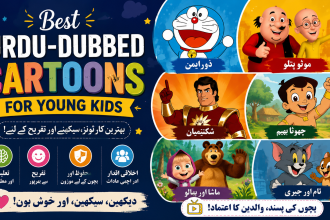
Dubbed shows let you enjoy familiar stories in Urdu, which lowers the difficulty and helps you focus on the language rather than the plot.
Be Consistent
A little every day beats long, occasional sessions. Even fifteen focused minutes daily builds real progress over a few months.
A note on watching legally: We only link to official, licensed platforms. Please avoid piracy sites — they are unsafe, hurt the creators behind your favourite shows, and are often illegal in your country.
Frequently Asked Questions
Can I really learn Urdu by watching shows?
Yes. Films and shows expose you to natural speech, pronunciation, and everyday vocabulary. Combined with active techniques, they are a powerful learning tool.
Should I use subtitles when learning?
Yes — progress from subtitles in a language you know, to Urdu subtitles, and finally to no subtitles as your comprehension grows.
What kind of shows are best for learning Urdu?
Choose clear, everyday dialogue: dramas, family shows, and dubbed cartoons are ideal because the speech is clear and relatable.
Related Reading
- Dubbing vs Subtitling: Pros, Cons, and When Each Wins
- How Dubbed Content Helps Children Learn Languages
- Where to Legally Watch Urdu-Dubbed Turkish Dramas
- Best Urdu-Dubbed Cartoons for Young Kids
Written by the UrduDub editorial team. We cover dubbing, voice-over, and where to watch localized content through official, legal sources. Spotted an error? Contact us — see our Editorial Policy.